The St. Louis skyline at golden hour with the Gateway Arch

Your Honest Guide to the St. Louis Area

Moving to a new city is a big deal. This guide gives you the real, boots-on-the-ground picture of what it is like to live here, including the good, the bad, and the things Google will not tell you.

The Gateway Realty Group team

Is St. Louis Right for You?

St. Louis is a city of contrasts. Big-city amenities with small-town vibes, historic in some parts and brand-new in others, booming and declining at the same time. We would rather you hear the tradeoffs from someone who lives here than find out after the moving truck is unpacked. Here is the honest version.

The St. Louis skyline

What People Love

Your money goes a remarkably long way

Housing and everyday costs sit well below the national average for a major metro. It is realistic to find an updated three or four bedroom home with 1,500 to 2,500 square feet in the $200,000s to low $300,000s across much of the City and the suburbs, and buyers from the coasts are routinely shocked by what they can afford here.

An almost unfair amount of neighborhood variety

Few regions pack this much range into one metro. You can choose a walkable historic block in Lafayette Square or Soulard, an upscale suburb like Ladue or Town and Country, or a fast-growing new-build town like Wentzville or Cottleville. The good news is the options. The bad news is it is easy to feel overwhelmed choosing.

Top-tier arts and culture, much of it free

A world-class art museum, history museum, zoo, and botanical garden, plus a major symphony, independent theaters, and dozens of music venues. Several of the best institutions cost nothing to walk into, which still surprises newcomers.

A genuinely serious food city

St. Louis takes its food personally, from James Beard nominees to hole-in-the-wall BBQ joints locals swear by. Try the local canon, including toasted ravioli, gooey butter cake, St. Louis style ribs, and Provel-topped pizza that you will either love or hate.

Rich history and beautiful architecture

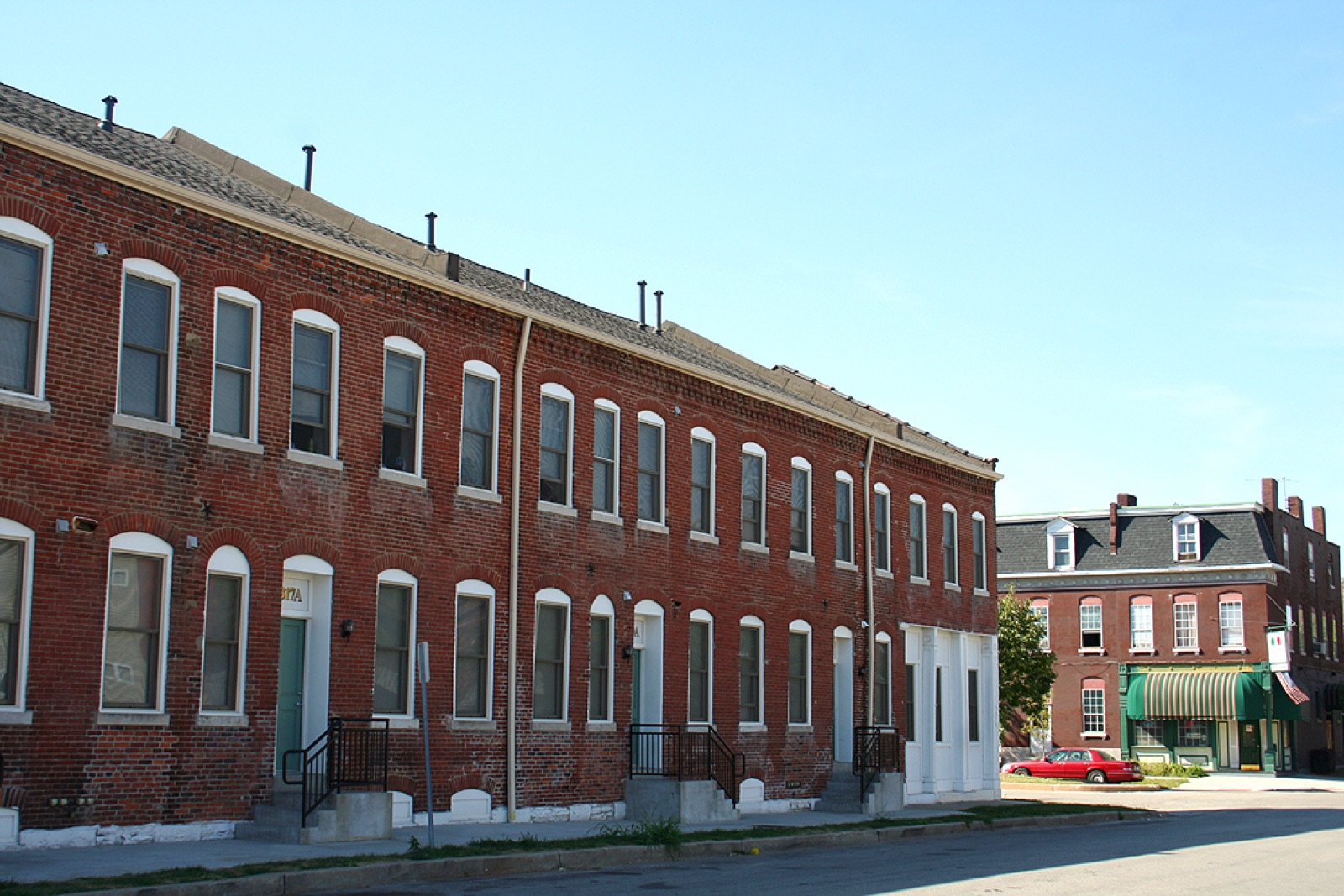
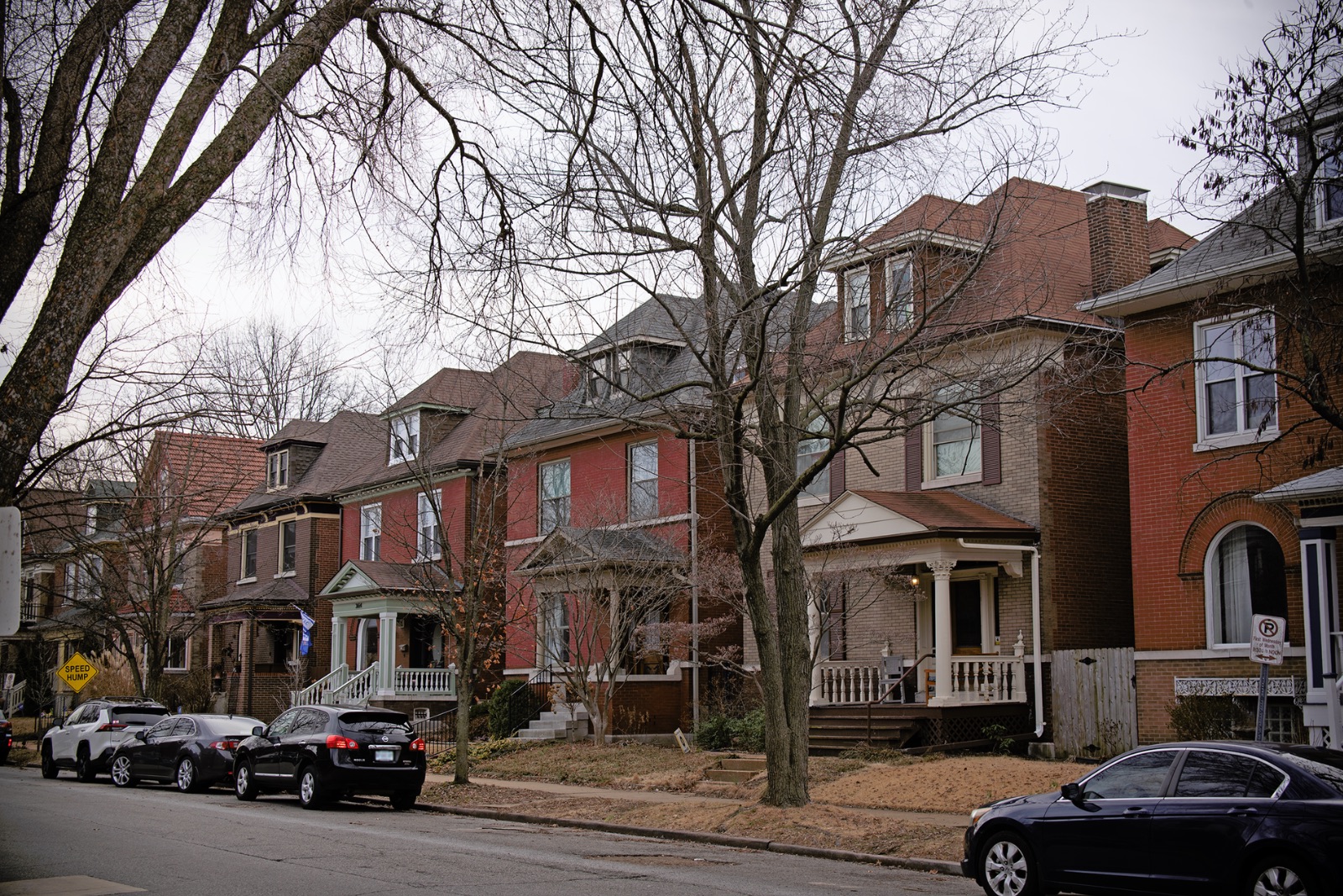
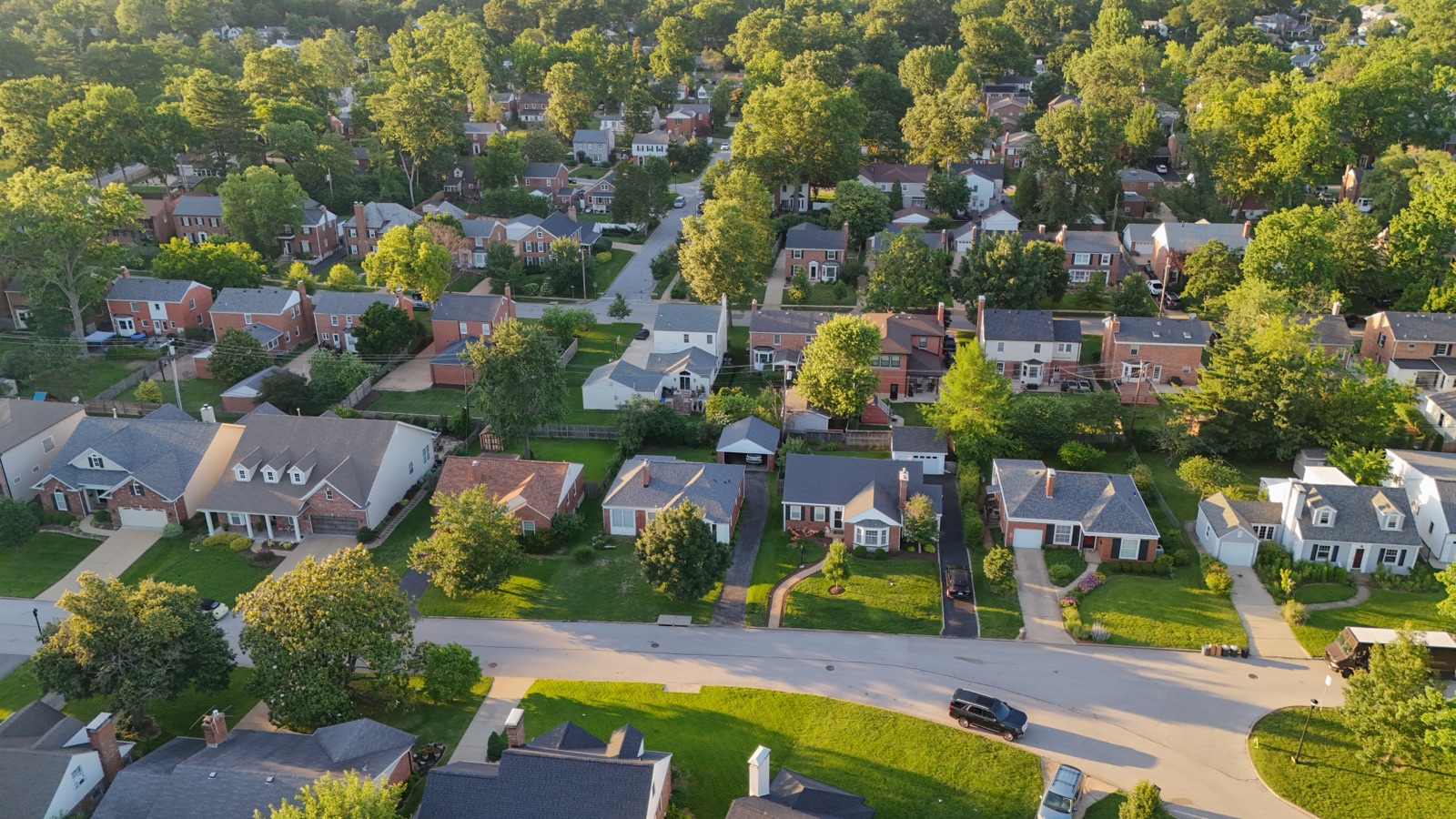
The City wears its history proudly in red brick homes, historic churches, and castle-like mansions from the 1800s. The housing stock has real craftsmanship and character you simply cannot get in newer cities, and there are active preservation communities keeping it alive.

New construction across the suburbs

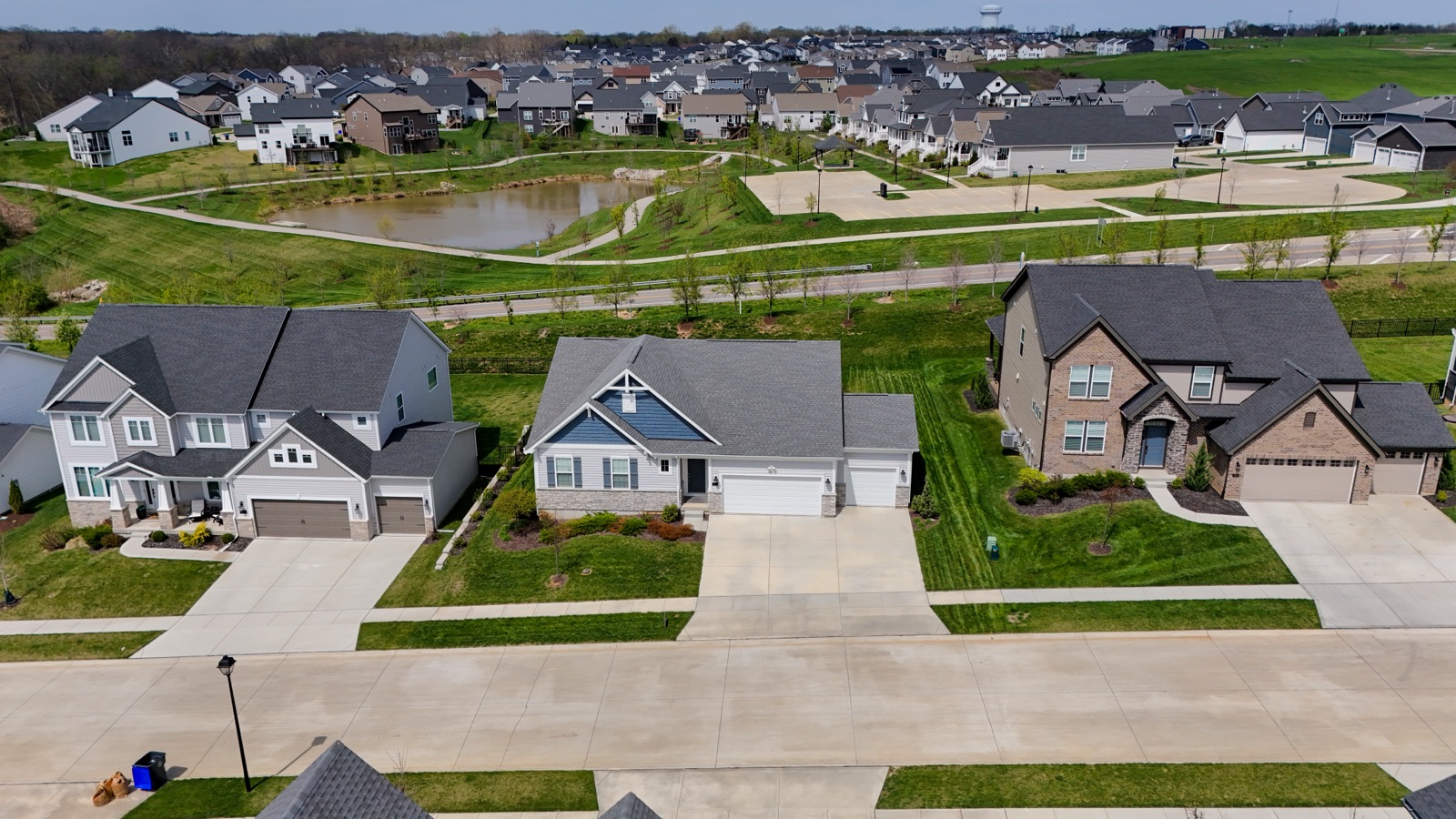
St. Louis is not only historic, it is growing. New construction is booming in Chesterfield, O'Fallon, Lake St. Louis, Wentzville, and beyond, with everything from townhomes in the $200,000s to custom spec homes over $3 million. St. Charles County in particular offers some of the best new-build value in the Midwest.

Light traffic for a major metro

If you are coming from a bigger city, the short commutes are a revelation. You can often get from downtown to most surrounding towns in 30 to 40 minutes. The same 40 miles that takes 45 minutes here would eat hours in Los Angeles, Chicago, or New York.

What to Know Before You Move

Weather that swings to extremes

Locals joke we get twelve seasons, not four, sometimes all in one week. Expect fake springs, sticky and sweaty summers, the occasional blizzard, and a real tornado and hail season in spring. The forecast is more of a suggestion than a promise, but people adapt fast and real fall is the reward.

The City of St. Louis has lost population for decades

While many suburbs grow, the urban core has struggled with population decline, vacant buildings, and businesses moving out. People are not necessarily leaving the metro, they are leaving the City, and that has strained some public services, infrastructure, and schools. Some neighborhoods are mid-comeback thanks to local investment.

Parts of the City are block by block

Certain areas show long-term neglect, with abandoned buildings, rough streets, and potholes, while others turn around quickly. You can find a $2 million home and walk two blocks to vacant lots. If you are considering the City, you want a local who knows it street by street.

The 'where did you go to high school' thing is real

For a metro of nearly three million, St. Louis can feel like a small town. People have deep roots, and adults really do ask which high school you went to. Breaking into established social circles takes some effort, but newcomers absolutely do it through neighborhoods, kids' activities, and rec leagues.

You will need a car

There is light rail and bus service centered on the City and the airport, but the region is built around driving and the suburbs assume it. The upside is that light traffic keeps your commute short, so the car you do need does not cost you much of your day.

Historic brick and detail
New construction in the suburbs
Weather that keeps you on your toes

The Real Pros and Cons of Moving to St. Louis (2026)

We made the video we wish every newcomer would watch. It is the unfiltered take, straight from someone who lives here and sells homes here.

Your Money Goes Further Here

St. Louis is one of the most affordable major metros in the country, and that shows up most clearly in housing. Here is a realistic picture of what different budgets buy across the region. Prices move with the market, so treat these as a starting frame rather than a quote.

A home in the Under $300K range Under $300K

A genuinely strong starting budget in St. Louis, not a compromise.

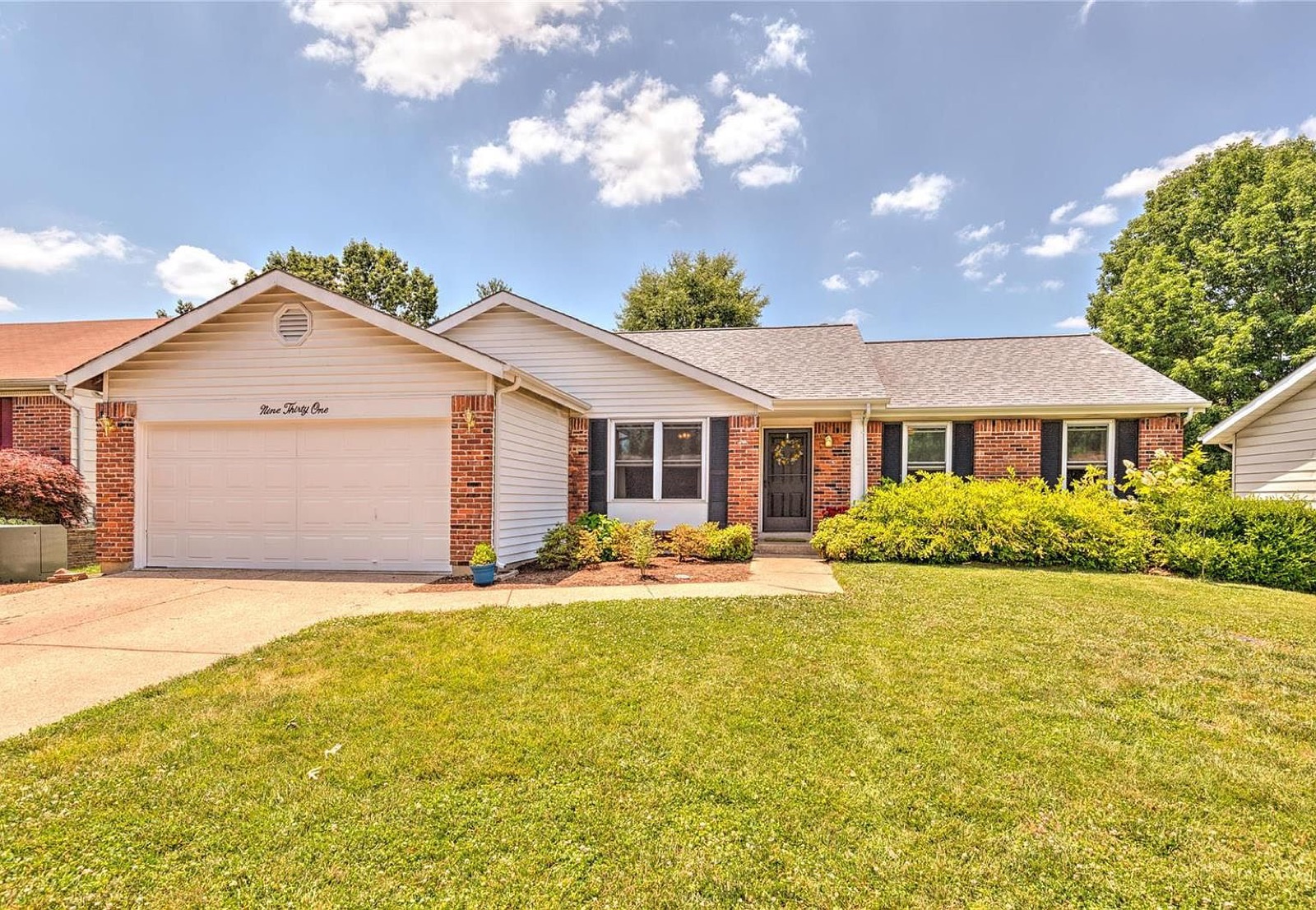
  • An updated ranch or split-level in North or South County
  • A character brick home in many South City neighborhoods
  • A starter home or townhome in St. Charles County towns like O'Fallon
  • More space and yard than the same budget buys almost anywhere on the coasts
A home in the $300K to $750K range $300K to $750K

The broad heart of the market, where most relocating families land.

  • New construction in St. Charles County with modern finishes
  • A larger established or move-up home in West or South County
  • A renovated historic home in a sought-after city neighborhood
  • Access to many of the region's top-rated school districts
A home in the $750K and up range $750K and up

Premium homes, custom builds, and real acreage.

  • Spacious new construction with upgrades and larger lots
  • Established homes in Mid County's most desirable districts, like Ladue and Clayton
  • Larger acreage or custom builds in the outer counties, like Defiance and Wildwood
  • Luxury condos and historic estates in the Central Corridor

How It Compares

Against fast-growing peer cities, St. Louis consistently comes out ahead on affordability. A housing budget that feels tight in Chicago, Denver, or Nashville tends to go noticeably further here, often the difference between a starter home and a move-in-ready family home with a yard. Lower housing costs are the headline, and the savings carry through to property taxes and day-to-day living as well.

Figures shift with the market. We are happy to pull current, area-specific numbers for your exact budget whenever you are ready.

Get Your Bearings

St. Louis is really a metro made of distinct pieces, split by two rivers and one quirk of geography that trips up almost every newcomer. Here is the quick mental map.

Map of the St. Louis metro: the City, St. Louis County, St. Charles County, and the Metro East
The metro at a glance: the independent City, St. Louis County, fast-growing St. Charles County, and the Illinois side known as the Metro East.
Missouri River Mississippi River Downtown St. Charles County North County West County Mid County Central Corridor South City South County Outer + Metro East
A simplified mental map. Positions are approximate, meant for orientation rather than navigation.

The One Thing to Understand First

The City of St. Louis is not part of St. Louis County. It is an independent city, fully separate, with its own government, taxes, and school district. This catches almost everyone off guard.

City of St. Louis

Historic neighborhoods, walkable, its own jurisdiction.

St. Louis County

90+ separate suburbs, where most newcomers land.

Then there is St. Charles County to the west, growing fast, and the Illinois side, known locally as the Metro East.

The Heart of the Midwest

St. Louis sits close to everything. A surprising share of the country is within a day's drive, which makes weekend trips and family visits easy.

Kansas City, MO
3.5 hrs
Indianapolis, IN
4 hrs
Louisville, KY
4 hrs
Chicago, IL
4.5 hrs
Memphis, TN
4.5 hrs
Nashville, TN
5 hrs
Des Moines, IA
5.5 hrs
Omaha, NE
6.5 hrs

A Quick Look Around the Region

From historic brick in the city to estates, new builds, and lakefront living, here is a taste of the range.

Central West End, Central Corridor
Central West End Central Corridor
Soulard, South City
Soulard South City
Lafayette Square, South City
Lafayette Square South City
Clayton, Mid County
Clayton Mid County
Ladue, Mid County
Ladue Mid County
Chesterfield, West County
Chesterfield West County
Cottleville, St. Charles County
Cottleville St. Charles County
Lake St. Louis, St. Charles County
Lake St. Louis St. Charles County
Defiance, Rural St. Charles
Defiance Rural St. Charles

Will You Find Work Here?

One of the first questions every relocator asks. St. Louis is not a one-industry town, which is part of why it stays so stable. The economy spans healthcare, bioscience, finance, defense, ag-tech, and a growing startup scene, with several Fortune 500 companies headquartered right here.

Healthcare & Bioscience

Anchored by BJC HealthCare and Washington University Medical Center, with a growing biotech corridor around the Cortex Innovation District.

  • BJC HealthCare
  • SSM Health
  • Mercy
  • Express Scripts (Cigna)

Financial Services

A deep bench of finance and insurance names, several headquartered here, with steady demand in banking, wealth management, and reinsurance.

  • Edward Jones
  • Stifel Financial
  • Reinsurance Group of America
  • Commerce Bank

Aerospace & Advanced Manufacturing

Boeing runs major defense and aviation operations in North County and is one of the largest employers in the region, alongside deep manufacturing roots.

  • Boeing Defense, Space & Security
  • Emerson Electric
  • Copeland
  • GM Wentzville Assembly

Ag-Tech & Food Science

St. Louis is a national hub for agricultural innovation, anchored by the 39 North AgTech District and the Danforth Plant Science Center.

  • Bayer Crop Science
  • Nestlé Purina PetCare
  • Anheuser-Busch InBev
  • MilliporeSigma

Technology & Startups

The Cortex Innovation Community and the T-REX incubator downtown fuel a rising tech scene, especially in geospatial and financial tech.

  • World Wide Technology
  • Mastercard
  • Cortex Innovation District
  • T-REX incubator

Logistics & Transportation

A central location, major rail hubs, river access, and a global air gateway make the region a natural distribution and logistics center.

  • Enterprise Mobility
  • Lambert International Airport
  • Graybar Electric
  • Schnuck Markets
Map of major St. Louis employers and job centers
Where the region's biggest employers cluster, from the Central Corridor to North County.

A short commute and a low cost of living mean a St. Louis salary tends to stretch further than the same paycheck on the coasts. We are glad to connect you with people in your field once you are here.

Explore the Areas

St. Louis is really a collection of distinct areas, each with its own feel and tradeoffs. Use the filters to sort them by what matters to you. We never hide an area, because the right call is yours to make.

Central Corridor, St. Louis areaCentral West EndCentral CorridorThe best of both worlds

This is where city and suburb blur together. The Central Corridor runs from Forest Park through the Central West End, and it holds some of the most architecturally rich blocks in the region, where old money, new money, and world-class institutions all share the same zip codes. You get walkable streets, high-rise condos, and historic mansions, with WashU, BJC, and Cortex right there.

Great if you want

  • A true city-and-suburb hybrid lifestyle
  • Architecturally rich neighborhoods with real character
  • Walkable blocks full of local shops and dining
  • Quick commute to WashU, BJC, Cortex, and downtown
  • Forest Park and the region's best museums at your doorstep
Read the full guide
Mid County, St. Louis areaBrentwoodMid CountyEstablished prestige, minutes from downtown

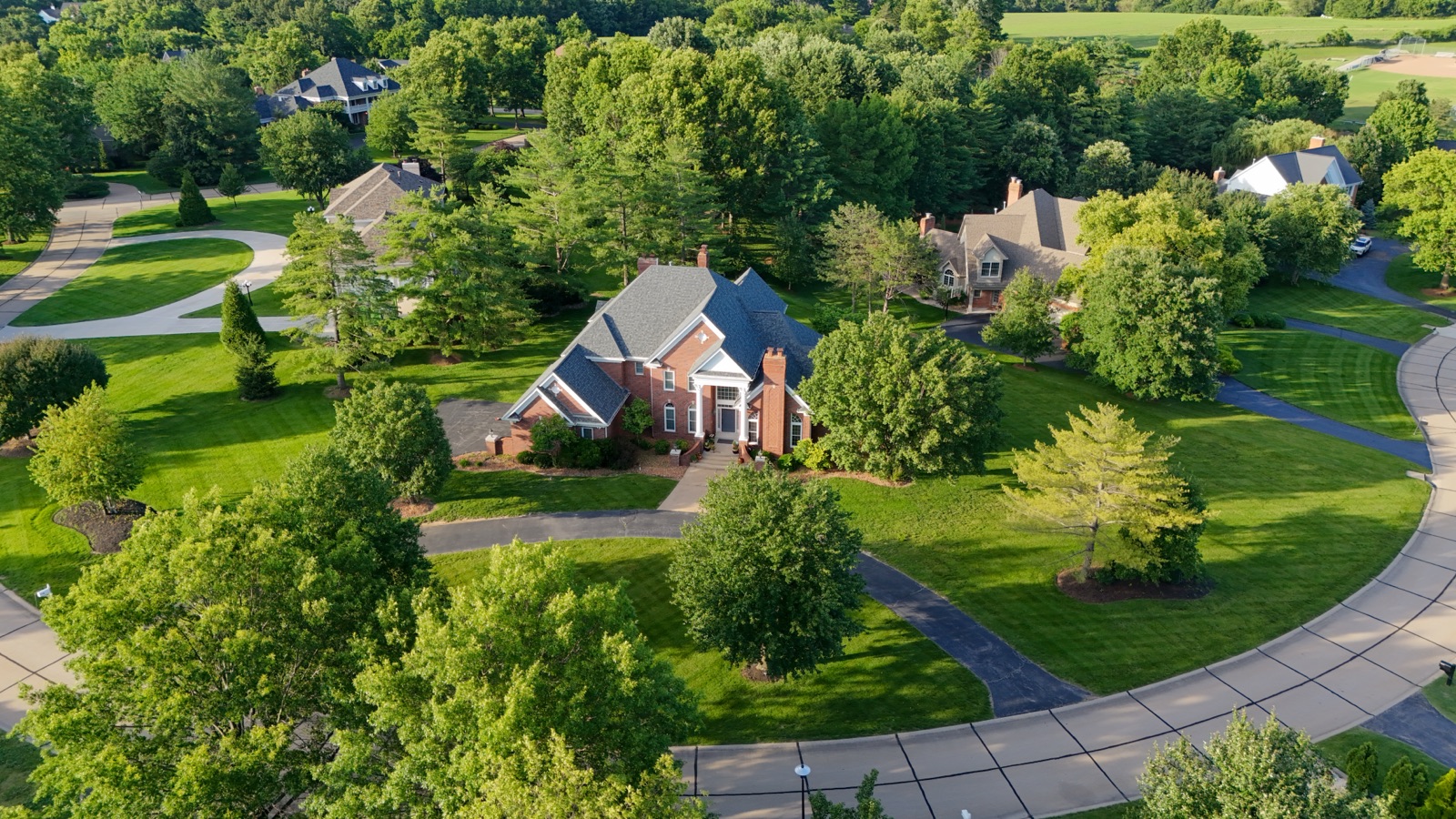
Mid County is the established, prestigious core of St. Louis County: Clayton, Ladue, Frontenac, and Creve Coeur. You get classic architecture on leafy streets, several of the region's most sought-after school districts, and high-end shopping and dining, with Clayton doubling as the county's business hub. It sits about fifteen minutes from downtown, and the price tags reflect all of it.

Great if you want

  • Clayton, Ladue, Frontenac, and Creve Coeur
  • Classic architecture on established, leafy streets
  • Some of the region's most sought-after school districts
  • High-end shopping and dining, with Clayton as the county's business hub
  • Roughly fifteen minutes from downtown
North City, St. Louis areaNorth CityDeep history, real potential

North City is the honest one. It carries deep history and beautiful brick architecture, and it is seeing slow, real reinvestment led by community groups, local businesses, and the new NGA campus. It also still bears decades of disinvestment, so this is block-by-block territory where a local who knows it matters. For buyers who can see potential and want low entry prices, there is genuine opportunity here.

Great if you want

  • Investment potential and renovation-ready properties
  • Low entry prices for historic brick homes
  • Near the new NGA campus and Downtown St. Louis
  • Active community reinvestment and local pride
  • Best explored block by block with a local
North County, St. Louis areaFlorissantNorth CountyEstablished and genuinely affordable

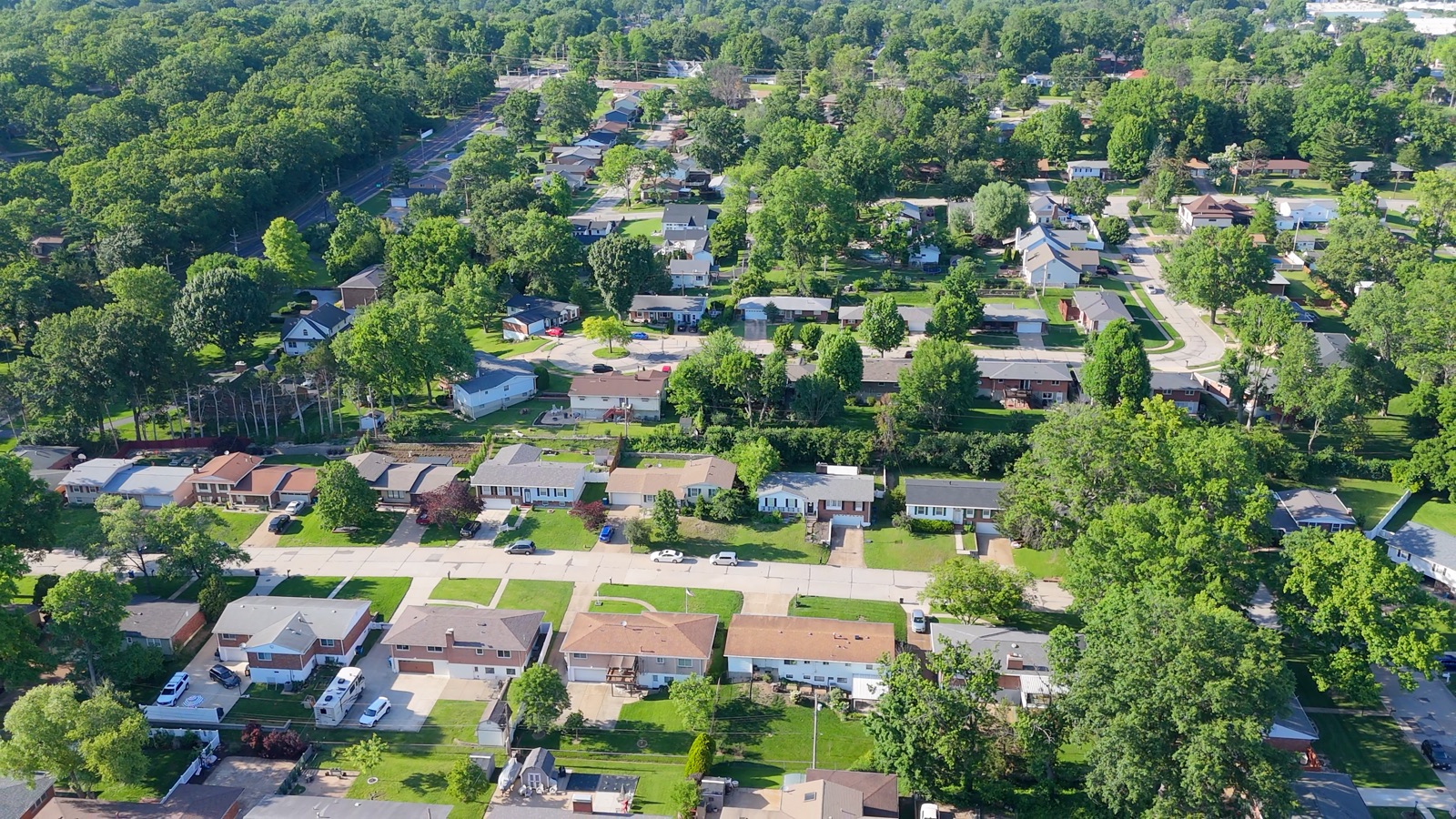
North County is well-established and genuinely affordable, with some of the lowest price points in St. Louis County. You will find mid-century ranches, split-levels, and larger homes on spacious lots, with a few pockets of new construction mixed in. Residents describe it as tight-knit and grounded, and it is close to the airport and major employers.

Great if you want

  • Some of the most affordable price points in St. Louis County
  • Ranch, split-level, and mid-century homes
  • Close to the airport and major employers
  • Tight-knit, long-established community feel
  • Strong value for first-time buyers
Outer Areas + Metro East, St. Louis areaSt. Paul, MOOuter Areas + Metro EastRural, affordable, off the beaten path

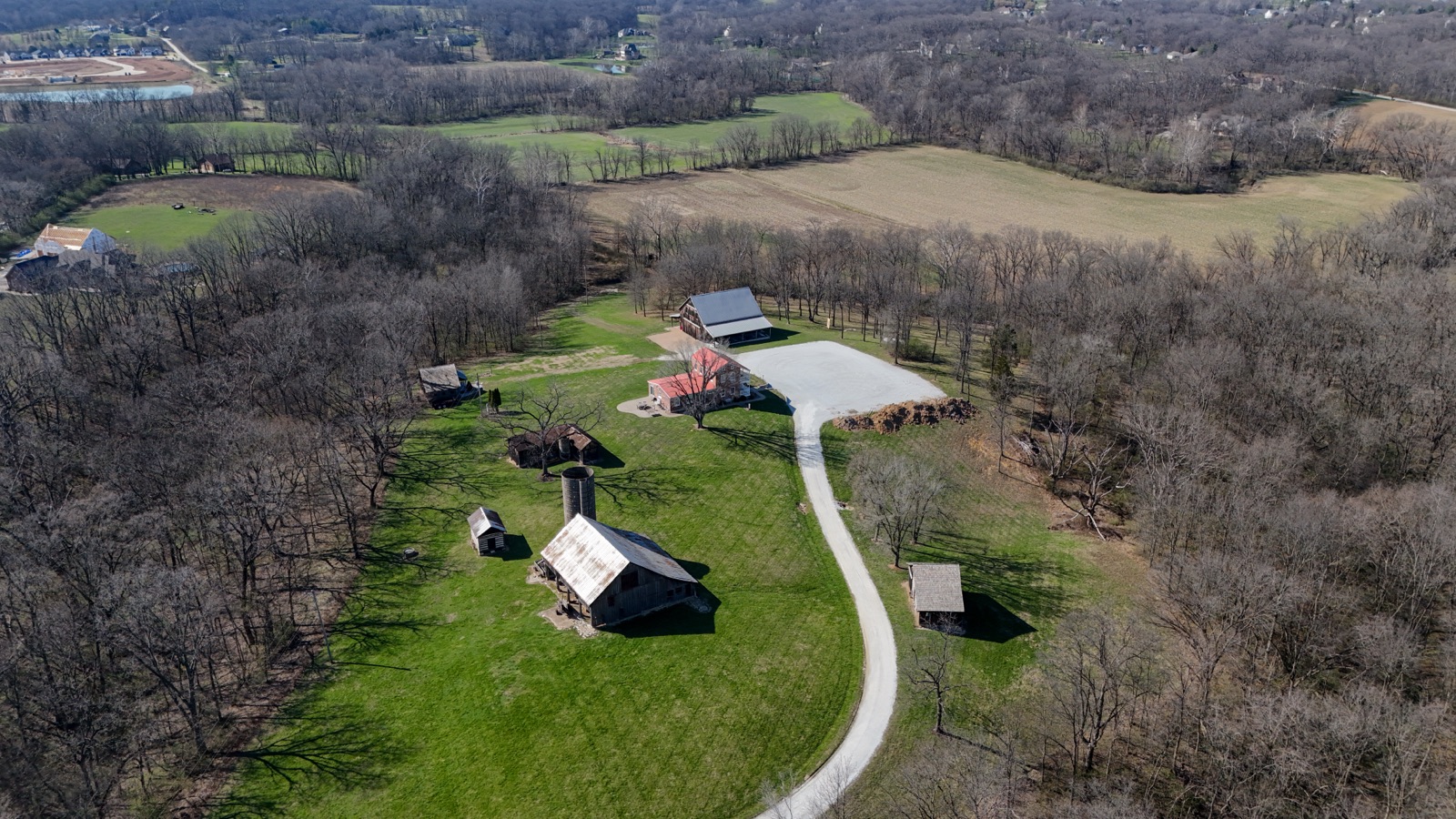
Out past the suburbs, the metro opens into rural Missouri and the Illinois side known as the Metro East. Lincoln, Warren, Franklin, and Jefferson counties offer land, lower prices, and a small-town pace, and they draw buyers who want acreage or room to build. The trade-off is the commute, which can run 40 to 90 minutes to downtown, so it tends to suit remote workers and people who value space over proximity.

Great if you want

  • Lincoln, Warren, Franklin, and Jefferson counties in Missouri, plus Metro East in Illinois
  • Rural living with more land and lower prices
  • A longer commute to downtown, roughly 40 to 90 minutes
  • Popular with buyers who want acreage or a small-town pace
  • Room to build, garden, or spread out
South City, St. Louis areaTower Grove SouthSouth CityUrban character, historic bones

South City is classic St. Louis: red brick homes, covered porches, tree-lined streets, and neighborhoods that each feel a little different. Hundred-year-old homes sit steps from breweries, taco joints, and farmers markets, and the parks here, like Tower Grove, are some of the best in the city. It is walkable, full of character, and some of the strongest value per square foot you will find.

Great if you want

  • Red brick homes with original detail and craftsmanship
  • Walkable, bike-friendly, and dog-friendly blocks
  • Locally owned restaurants, bars, and global cuisine
  • Community events, farmers markets, and park festivals
  • Some of the best value per square foot in the city
Read the full guide
South County, St. Louis areaGrantwood VillageSouth CountySuburban comfort, closer to the city

South County is practical, peaceful, and close to everything, without the price tags you will find further west. It sits closer to the city than West County and tends to be more affordable than Mid County, with well-established neighborhoods where people stay for decades. Expect brick ranches, mid-century styles, split-levels, and newer pockets, plus quick access to I-44 and I-55.

Great if you want

  • More affordable than West County for similar space
  • Established neighborhoods with long-time residents
  • Quick access to I-44 and I-55
  • Closer to the city than St. Charles County
  • Parks, trails, and the bluffs along the Mississippi
Read the full guide
St. Charles County, St. Louis areaO'FallonSt. Charles CountyNew everything, growing fast

St. Charles County is one of the fastest-growing counties in Missouri, and it shows. New master-planned communities, new schools, new shopping, and new subdivisions are going up everywhere, which makes it the go-to if you want a bigger, newer home for less than the same house would cost in West County. It also has the most new-construction options anywhere in the region, from O'Fallon and Wentzville to Cottleville and Lake St. Louis, with rural pockets like Augusta and Defiance on the edges.

Great if you want

  • The most new construction options in the region
  • Fast-growing, with new schools, parks, and shopping
  • More house for your money than West County
  • Popular towns like O'Fallon, Wentzville, Cottleville, and Lake St. Louis
  • Highly rated school districts and family amenities
Read the full guide
West County, St. Louis areaWest CountySpacious, family-oriented suburbs

West County is what most people picture when they imagine the suburbs: tree-lined streets, larger homes, highly-rated schools, and quiet subdivisions with pools and tennis courts. It is polished without being flashy, and it consistently ranks among the most sought-after parts of the region. Towns like Chesterfield, Ballwin, and Wildwood give you space and stability with easy access to the city.

Great if you want

  • Rolling hills, big backyards, and room to spread out
  • Highly-rated public schools and lots of outdoor recreation
  • Queeny Park trails, Chesterfield Valley, and Wildwood
  • Towns like Chesterfield, Ballwin, and Wildwood
  • Easy access to shopping and Highway 64/40
Read the full guide

What Does Daily Life Look Like?

Stats and price ranges only tell you so much. This is the part of the move people actually wonder about: what a normal Tuesday feels like once the boxes are unpacked. Here is the honest texture of day-to-day life in St. Louis.

Your Mornings Kaldi's Coffee, Kirkwood

Your Mornings

Coffee culture here is local and serious, with neighborhood roasters in nearly every part of town. A lot of people start the day with a walk or run through Forest Park, which is larger than Central Park and free to everyone. The commute that follows is short enough that you are rarely the reason you are running late.

How People Eat Ted Drewes

How People Eat

St. Louis takes its food personally, from frozen custard and toasted ravioli to a serious and growing restaurant scene. Every neighborhood has its institutions, and locals will argue passionately about the best version of everything. The best part is how affordable a great meal out still is here.

Your Weekends City Museum

Your Weekends

Cardinals baseball is close to a civic religion, and a summer night at the ballpark is a rite of passage. Beyond that you have the Arch grounds, miles of trails, the City Museum, and wine country and float trips within an easy drive. You will not run out of things to do on a Saturday.

Finding Your People Tower Grove Park

Finding Your People

St. Louis can feel like a small town wearing a big city's clothes, and that cuts both ways. The 'where did you go to high school' question is real, and it reflects how rooted people are here. Newcomers find their footing through neighborhoods, churches, kids' activities, and rec leagues, and the welcome is genuine once you are in.

Getting Around Chesterfield

Getting Around

Here is a genuine pro that shocks people from bigger cities. Traffic is light, commutes are short, and a thirty-minute drive covers a lot of ground. You will spend far less of your life sitting in the car than you did before, which is one of the quiet things people end up loving most.

See It for Yourself

We made a short video on what we love most about living here. It is the closest thing to riding along for a day.

About the Weather (We Joke We Have 12 Seasons)

Here is the honest truth most guides skip. St. Louis does not really do four tidy seasons. It is a roller coaster, and locals joke that we get about twelve of them. Here is the real cycle, so nothing catches you off guard.

Fake Spring Missouri Botanical Garden

Fake Spring

It will hit 60 degrees in February and trick you into thinking winter is over. Then it snows again. The weather here loves to fake you out before it actually commits to spring.

Storm Season

Storm Season

Real spring is gorgeous, with everything in bloom by April. It is also tornado and hail season. The hail is no joke and can dent cars and damage roofs, so you learn to keep an eye on the sky.

Sauna Summer Lake St. Louis

Sauna Summer

Most of summer is hot and seriously humid, the sticky kind where air conditioning is non-negotiable. It is also pool days, Cardinals nights, and festivals, so locals learn to lean into it.

The Payoff: Real Fall Lake St. Louis

The Payoff: Real Fall

September teases a cool-down, then it can swing back into the 80s through October. But once real fall lands before Halloween, it is the best stretch of the year, with crisp air and real color.

Mild Winter, Icy January Chesterfield

Mild Winter, Icy January

November and December are usually just chilly without much snow. Then January turns snowy and icy, and it is the season everyone seems to catch a cold. A good coat and some patience get you through.

One local tip: take the weather app with a grain of salt. It will promise hail and deliver sunshine, or the other way around. You learn to roll with it.

Find Your Saturday Morning

One of the fastest ways to feel at home here is to find your farmers market. St. Louis takes them seriously, and nearly every county and neighborhood has one. Here is a county-by-county rundown, with the 2026 seasons we could confirm.

The Soulard Farmers Market in St. Louis
Soulard Market

St. Louis City

5 markets

St. Louis County

8 markets

St. Charles County

4 markets

Jefferson County

4 markets

Seasons shift a little year to year, and a market can pause, like Webster Groves did in 2026, so the linked page is always the final word. Hours and dates are for the 2026 season where we could verify them.

A Simple Timeline for Your Move

Relocating can feel overwhelming, so we broke it into stages. Here is the path most of our out-of-state buyers follow.

  1. 01

    90+ Days Out

    • Research areas and start narrowing your shortlist
    • Connect with a local real estate team you trust
    • Get pre-approved for a mortgage so you know your numbers
  2. 02

    30 to 60 Days Out

    • Schedule a visit and tour neighborhoods in person
    • Walk your top areas at different times of day
    • Narrow down your home criteria and must-haves
  3. 03

    Move Week

    • Set up utilities at your new address
    • File your change of address with the post office
    • Handle school enrollment for the kids
    • Plan for your Missouri driver's license, which is required within 30 days
  4. 04

    Your First 30 Days

    • Explore your new neighborhood on foot
    • Get a library card and find your coffee shop
    • Introduce yourself to a few neighbors
    • Reach out to us if you need anything at all

Have questions about any of these steps? We have walked dozens of out-of-state buyers through this exact process, and we are glad to help with yours.

Talk to Our Team

Meet the Team

You are not hiring one agent. You are hiring an entire St. Louis team, led by Madison Hayes and powered by the Living St. Louis channel. We give you honest advice, even when it costs us a sale. If a house is wrong for you, we will tell you.

Madison Hayes, Team Lead

Madison Hayes

Team Lead

Jacob Peistrup, Director of Content & Media

Jacob Peistrup

Director of Content & Media

Kate Wilhelms, Director of Marketing & Operations

Kate Wilhelms

Director of Marketing & Operations

Kellie Lasater, Real Estate Professional

Kellie Lasater

Real Estate Professional

Tracy Sanders, Real Estate Professional

Tracy Sanders

Real Estate Professional

Mindy Bushman, Real Estate Professional

Mindy Bushman

Real Estate Professional

Lana Prinster, Real Estate Professional

Lana Prinster

Real Estate Professional

Candy Smothers, Real Estate Professional

Candy Smothers

Real Estate Professional

We loved working with Lana to purchase our home. She was professional, easygoing, and competent.
Erin Coleman, out-of-state buyer

Questions Newcomers Always Ask

The honest answers to what people email us most before they make the move.

Do I Need to Visit Before I Buy?

We strongly recommend it. A weekend spent walking a few neighborhoods at different times of day tells you more than any listing ever will. We help out-of-state buyers plan focused visits so the trip actually moves the decision forward.

City or County, Which Should I Choose?

It depends on what you want. The City of St. Louis offers historic, walkable neighborhoods and its own independent government and schools. St. Louis County is where most newcomers land, with dozens of suburbs and highly rated districts. We walk you through the trade-offs on taxes, schools, and lifestyle.

How Is the Job Market?

Diverse and stable. The region is anchored by healthcare, bioscience, finance, defense, and a growing tech scene, with several Fortune 500 headquarters here. A St. Louis salary also tends to stretch further than the same pay on the coasts.

What About Schools?

School quality varies by district, and districts can change block to block, especially across the City and County line. Tell us what matters to your family and we will point you to the right resources to compare districts objectively before you settle on an area.

How Bad Are the Winters and the Storms?

You get four real seasons. Spring brings storm season, summers are warm and humid, falls are spectacular, and winters are cold but rarely brutal. Locals treat severe weather with calm routine rather than panic, and a good basement helps.

Will I Need a Car?

For most of the region, yes. There is light rail and bus service centered on the city and the airport, but the suburbs are built around driving. The upside is that traffic here is light by big-city standards, so your commute stays short.

How Long Does It Take to Feel at Home?

Faster than you might think. St. Louis can feel like a small town stitched into a big metro, so people put down roots through neighborhoods, kids' activities, and rec leagues. Newcomers consistently tell us the welcome is genuine once they are in.

Work With Us

Let's Make Your Move Easier

Wherever you are in the process, from just curious to ready this week, tell us a little about your move. We will point you in the right direction, no pressure and no obligation.

We read every message. No spam, and you can opt out anytime.